• Skip to primary navigation
  • Skip to main content
(734) 453-8003
Novastar on LinkedIn Novastar YouTube Channel

NovaStar

Complete IT Lifecycle Solutions

MENUMENU
  • Home
  • Solutions
        • Calibration
          • Accreditations
          • Customer Portal
          • Services
          • Primary Standards
        • Industrial Grade 3D Printers
          • Metal Contract Manufacturing
          • Farsoon 3D Printing Solutions
          • Farsoon 3D Materials & Applications
          • NovaTumble & NovaBlast
          • Materialise Magics
        • IT Products & Services
          • HP Products
          • IT Services
  • Resources
        • News
          • Novastar Calibration: A2LA Accreditation for Calibrating Primary Electrical Stan…
            By Novastar
            July 17, 2026
            Novastar is proud to announce our A2LA Accreditation for Calibrating Primary Electrical Standards—bringing you a new level of confidence, Read More
          • Novastar Calibration: Expanding to Gas Flow Calibration
            By Novastar
            June 12, 2026
            Novastar is pleased to announce we have expanded our ISO/IEC 17025:2017 A2LA accredited scope to include gas flow calibration. Effective Read More
          • Novastar Now Offering Metal 3D Printing Service
            By Novastar
            July 8, 2025
            3D Printing Service, Additive Manufacturing, Service Bureau, Contract Manufacturing. Regardless of what nomenclature you prefer, Novastar Read More
        • More News
  • About
    • Careers
  • Contact
MENUMENU
  • Home
  • Solutions
        • Calibration
          • Accreditations
          • Customer Portal
          • Services
          • Primary Standards
        • Industrial Grade 3D Printers
          • Metal Contract Manufacturing
          • Farsoon 3D Printing Solutions
          • Farsoon 3D Materials & Applications
          • NovaTumble & NovaBlast
          • Materialise Magics
        • IT Products & Services
          • HP Products
          • IT Services
  • Resources
        • News
          • Novastar Calibration: A2LA Accreditation for Calibrating Primary Electrical Stan…
            By Novastar
            July 17, 2026
            Novastar is proud to announce our A2LA Accreditation for Calibrating Primary Electrical Standards—bringing you a new level of confidence, Read More
          • Novastar Calibration: Expanding to Gas Flow Calibration
            By Novastar
            June 12, 2026
            Novastar is pleased to announce we have expanded our ISO/IEC 17025:2017 A2LA accredited scope to include gas flow calibration. Effective Read More
          • Novastar Now Offering Metal 3D Printing Service
            By Novastar
            July 8, 2025
            3D Printing Service, Additive Manufacturing, Service Bureau, Contract Manufacturing. Regardless of what nomenclature you prefer, Novastar Read More
        • More News
  • About
    • Careers
  • Contact

Novastar

3D Printing and DaaS: Essential for Manufacturing

November 14, 2022 By Novastar

Companies around the world have leveraged 3D printing—also known as additive manufacturing —to create innovative packing materials, jigs and fixtures, and end-use parts. 3D printed products solve a wide range of problems, from filling supply chain gaps to reducing cost and weight of parts, so. it’s no surprise that engineering and manufacturing facilities are the main adapters of this technology. They have unique needs that 3D printing services address. Is the Device-as-a-Service (DaaS) model the right deployment strategy for this technology?

What Is DaaS 3D Printing?

The device as a service model offers a new approach that procures and deploys 3D technology. In a DaaS arrangement, the provider owns the equipment and takes on the operating costs and risks. The customer pays a monthly service fee for access to the equipment and support services.

Why Is the DaaS Model Ideal for 3D Printing?

One could argue that there are several other business strategies to leverage 3D printing. So, what makes the DaaS model the ultimate solution for some?

The Unique Supplies 3D Printers Need

HP 3D printers use a variety of consumables, including powders, lamps and filters. These materials are essential for the proper operation of the printer and need regular replacement. In addition, 3D printers require a steady supply of electricity and often need a computer or network connection. DaaS providers make sure that customers understand the costs of operating equipment and have access to everything they need.

The Technical Know-How Necessary to Optimize 3D Printing

3D printing is a complex process that requires a high level of technical expertise. Top DaaS providers have teams of experts who are well versed in the latest printing technology. These professionals optimize the print process for each customer. This level of expertise is not easy or inexpensive to come by, so having professionals at the ready is an invaluable asset.

The Need to Keep Up with the Competition

New players in the engineering and manufacturing sectors continue to emerge and carve out niches in the market, so companies must stay one step ahead of the available 3D technology to remain competitive. In fact, 81% of manufactures use 3D printing as part of their product development processes. When a company outsources the upgrading and modernization of devices to a third party, this solves a costly problem.

What Advantages Does DaaS Bring to the World of 3D Printing?

In this business climate, there are many advantages to a “pay-as-you-go” business model when the focus is on outcomes. Paying on a usage basis puts the focus on your business results rather than equipment or transactions. HP 3D as a Service (HP 3DaaS) allows manufacturers to gain new levels of cost predictability with the flexibility to scale their businesses as they grow.

Here are some benefits DaaS brings to the table:

Frees Up Capital

The DaaS model helps organizations access capital they would otherwise tie up in 3D printers and the maintenance contracts necessary to keep them running. This can help an organization redeploy resources to other business areas or take advantage of early-payment discounts from suppliers.

Simplifies Budgeting

With a DaaS arrangement, budgeting for 3D printing becomes much more predictable. The customer knows exactly how much to pay each month and can plan for it..

Mitigates Risks

Another significant advantage of DaaS, the customer can return the equipment at the end of the contract and upgrade to the latest model. This flexibility is not possible with a traditional purchase-and-asset-management system.

Improves Efficiency

The DaaS model also helps organizations keep their design and quality control on schedule. By outsourcing the 3D printing process, companies can avoid the delays often associated with in-house printing. In addition, DaaS providers typically have a team of experts who can help optimize the printing process to further improve efficiency. Finally, companies can use DaaS 3D printing to reduce the need to hold inventory. They simply print products as needed.

How Does DaaS Improve Efficiency for Manufacturing Facilities?

Efficiency is one of the top reasons companies consider DaaS 3D printing, so let’s take a closer look at how it benefits business operations. Experts generally identify productivity as the most critical component of efficiency. DaaS improves business productivity in several ways:

Reduces Downtime

Downtime is a major problem for businesses, especially in the manufacturing sector. Various factors can put machines out of commission, such as equipment malfunctions, human error, and power outages. One of the biggest advantages of DaaS is that it helps avoid downtime with a team of experts who can quickly fix any problems that arise.

Increases Available Employee Time

When companies outsource asset management, it frees workers to tackle other value-adding tasks in the organization such as product development and marketing. Additionally, the IT team can focus on modernizing its core infrastructures such as communications, network security, and cloud computing.

Improves Employee Morale

When employees can focus on their core competencies, it increases job satisfaction and morale. This, in turn, leads to higher retention rates and a more engaged workforce. All of these factors contribute to a more productive and efficient organization.

Increases Throughput

In the manufacturing world, throughput is the number of products an organization can produce in a given period. DaaS increases throughput because it provides a team of experts who can optimize the printing process and troubleshoot any issues. Access to modern equipment further increases success in this area.

Improves Product Quality

Manufacturing companies often measure productivity only in the number of actual products created. However, the quality of those products is of equal importance. DaaS services can help improve product quality because they provide access to the latest printing technology and a team of experts who create custom solutions.

The Bottom Line

Industry experts see 3D printing as the future of manufacturing and engineering. The DaaS model provides an excellent opportunity for companies to emerge as game changers and pioneers in their respective fields. With increased efficiency and freed capital, companies also have the resources to pursue the innovations that make industry leadership a feasible goal.

Are you ready to revolutionize the engineering and manufacturing processes at your business? Find out how our DaaS 3D printing services at Novastar Solutions can fuel your business growth strategy. Contact us to get started.

Previous

Maximize Your ROI With IT Asset Management

Next

2023 Tech Trends in Higher Education

Filed Under: Novastar Blog

Maximize Your ROI With IT Asset Management

November 7, 2022 By Novastar

With the global shift toward remote work, IT asset management (ITAM) often occurs outside the traditional office environment. As a result, businesses are facing a host of new challenges with respect to IT administration and lifecycle management.

In particular, we’ve seen Device as a Service (DaaS) solutions become a hot talking point for industries of all kinds as more companies leverage affordable cloud-based deployments to manage out-of-office functions. While the DaaS ecosystem offers several notable advantages such as cost savings, fast deployments, and improved security, it also raises new questions.

  • Is it possible for companies to manage a cost-effective IT deployment in the era of remote work?
  • What factors help secure off-premise devices?
  • How can companies ensure they’re getting the maximum value from their investment?

These concerns can by addressed by establishing effective policies for device lifecycle management.

What is IT Lifecycle Management?

Lifecycle management is a set of processes and procedures meant to track and manage IT infrastructure across its usable life. Typically, assets are tracked throughout the IT lifecycle process with status reports provided at regular intervals. While some companies have the staffing to manage this in-house, many turn to asset management vendors who have established processes to set up and monitor IT devices with ease.

Few companies have the expertise to perform extensive lifecycle management on their own, so trusting a third-party is often the best way to guarantee an effective lifecycle management process. Add in an increased number of questions about governance and optimization that come on the back of the pandemic’s disruption, and it’s no surprise that so many companies struggle with asset management.

The IT Asset Management Lifecycle

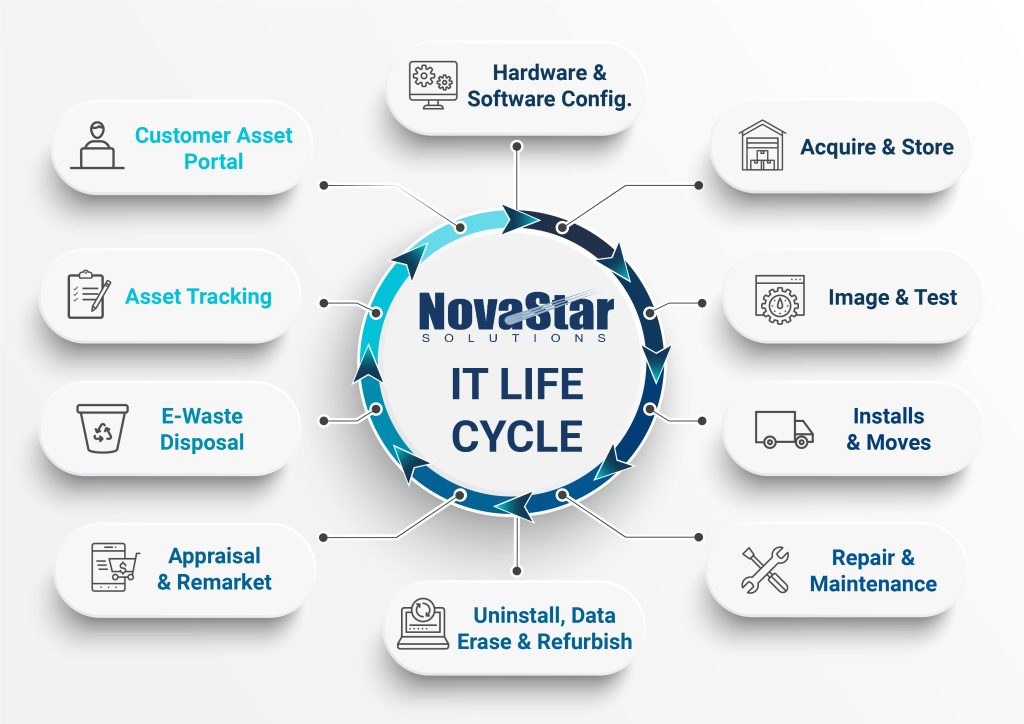
To illustrate everything that goes into an ITAM process, we’ll give an overview of how asset management providers set up and monitor an IT ecosystem.

Graphic showing IT Lifecycle by Novastar Solutions for ITAM (IT Asset Management)

It begins with an assessment of the client’s IT infrastructure and available technology. Assessments identify existing process or security gaps in the client’s infrastructure and review what combination of new or refurbished hardware will best address its needs.

During deployment, Novastar coordinates all aspects of infrastructure installation, starting with shipping, storing, and asset tagging. From there, we take care of software image management, load and testing, installation and deployment, and ongoing maintenance and repair.

If a new technology needs to be retired or replaced, we’ll help with teardown and ensure that end-of-life electronics are disposed of safely, including:

  • Uninstalling equipment
  • Managing lease termination
  • Auditing testing, disk wiping or destruction
  • Refurbishing and appraising
  • Remarketing to recover asset value

Throughout these steps, ITAM providers should manage all aspects of performance tracking and reporting through an IT asset database. As hardware grows out of date and a new business vulnerability becomes apparent, the process starts from the beginning.

Operators should keep tabs on these assets and view regular reports on performance in order to gain complete visibility into their IT infrastructure across all devices, processes, and analytics. This makes it easy to determine the optimal time to phase out old technologies and deploy new solutions for business improvement.

Additionally, this type of hands-on approach makes it easy for ITAM providers to keep tabs on any number of endpoints, whether they’re in the office or remote workstations. A partner in ITAM will help businesses ensure that all remote workstations are set up, monitored, and secured appropriately to your needs. This is by far the easiest way to guarantee security and compliance in a changing ecosystem where remote work is the norm.

How Novastar Goes Beyond to Add Value Through IT Asset Managment

Device management can bring plenty of benefits to business efficiency, and it’s important to find an ITAM partner who understands your priorities. The best ITAM providers offer white glove delivery across all components. Novastar offers fully managed deployments for remote workers at scale—something not commonly found from other providers—as a core part of our service offerings.

To further bring value to each client’s device management process, we’ve spent years designing processes around IT asset disposition, asset recovery, and remarketing. Aside from supporting new asset acquisitions, logistics, imaging, installation, maintenance, and end-of-life (or lease) options for your IT assets, we work to find and recover value wherever possible throughout the process.

This type of recovery can go a long way to help a business manage its device lifecycle costs, particularly when unpredictable market forces cause seismic shifts in business operation. There are many forces that may affect the viability of your current IT infrastructure:

  • Business mergers or acquisitions
  • Customer returns
  • Project cancellations
  • Inventory surplus
  • System upgrades or refreshes

No matter the need, Novastar works with customers to maximize device recovery value, all while minimizing costs related to warehousing, auditing, and transportation logistics. In this way, we provide a level of device lifecycle support that few others can match.

Maximize ROI With Device Lifecycle Support

Novastar has the staff, facilities, and expertise to offer complete, sustainable IT lifecycle management. We understand the role that your devices play in business efficiency, and we tailor our services to help businesses mitigate costs on large IT deployments. Further, we always ensure that end-of-life electronics and their components are handled safely to protect workers and the environment. Whether your organization is in-office or composed of remote work staff, there’s no reason to struggle with device management. Contact Novastar Solutions to level-up your device management.

Previous

HP 3D Printing & Altair DfAM Event

Next

3D Printing and DaaS: Essential for Manufacturing

Filed Under: Novastar Blog

HP 3D Printing & Altair DfAM Event

November 1, 2022 By Novastar

November 2, 2022 | 2:00pm – 5:00pm

Automation Alley | 2675 Bellingham Drive | Troy, MI 48083

Register

Advances in additive manufacturing technologies have introduced new challenges in design. Our ability to print complex geometries has outpaced our ability to design them. Hear from industry experts how new design methods are reshaping the future of innovation and digital transformation. We’ll also take a trip to tour the facilities of Gonzalez to see how they are using additive designs to reduce weight, consolidate parts, and shift some tooling from metal to polymers on their manufacturing lines.

Agenda

2:00 – 3:00

  • Design for Additive Manufacturing – Digital design optimization using predictive modeling and numerical methods

3:00 – 4:00

  • Process Specific Generative Design for Additive Manufacturing

4:00 – 4:20

  • Drive to Gonzalez4:20 – 5:00Tour of Gonzalez facilities
Previous

Lifecycle Management Considerations for Higher Education

Next

Maximize Your ROI With IT Asset Management

Filed Under: Novastar News

Lifecycle Management Considerations for Higher Education

October 31, 2022 By Novastar

IT hardware procurement in higher education is a complex issue. Decision-makers must use an institution’s limited budget to make purchasing choices that power digital learning initiatives and improve student experiences, all with the goal of making their institution more competitive.

Of course, device management initiatives aren’t just aspirational. Efficient device lifecycle management translates to dollars saved and increased productivity through centralization and streamlining of asset management. The benefits of better device management touch all aspects of an institution’s IT workflow, from helpdesk support to server administration.

There’s a lot that goes into device lifecycle management, especially for large-scale institutions like colleges or universities that may have thousands of unique devices to consider.

Top Lifecycle Management Considerations for Higher Ed

Lifecycle management processes help higher education institutions administer the myriad devices that exist across the campus. Devices brought into a university’s IT system often lack standardization in hardware type, cybersecurity capabilities, or software configuration. This creates substantial challenges for IT teams that manage integration and support. Institutions need to take a holistic view of their devices or commit to a regular schedule of refresh cycles when technology grows out of date, particularly as more schools commit to long-term hybrid learning programs. To address these concerns, schools must get proactive about their device management goals.

Centralization Is the Key

Most critically, universities should work toward centralization and standardization of their device management process. This is best accomplished through enterprise asset management systems that allow institutions to keep tabs on devices across their entire lifecycle. Such systems offer a number of advantages:

  • Insight into device/hardware details
  • Visibility for maintenance and replacement schedules
  • Tracking for performance metrics and analytics
  • Automated alerts and communications
  • Extended capabilities (like customer portals) to streamline device management

In a central repository, information can be tracked over time. Centralized device management also enables additional tracking features, like barcode tagging, to speed up deployment and minimize the need for manual implementation efforts.

Find Opportunities to Extend Value

Historically, IT management processes have been focused on break/fix solutions. Devices are set up, run as intended, repaired when necessary, and retired. Many institutions see it as a linear path, though in reality, device lifecycle management is more circular. Devices that grow out of date or are ill-suited to certain uses can be repurposed in other ways that give them a second life that extends the total value of each machine.

Institutions should consider ways that their devices can be reused or repurposed across the campus before committing to new procurements. This is a critical part of device management due diligence that can translate to big value when applied to large universities.

Create a Warranty Strategy

Extended warranties can help protect institutions against unexpected costs, but there’s no one-size-fits-all approach to warranty management. The typical lifecycle for an educational device is around four years, but many extended warranties offer protection beyond this. Is it worth it?

For most institutions, warranties will need to be set up and managed on a case-by-case basis. Depending on the device’s expected usage, the standard manufacturer warranty may be enough to do the job. Higher education decision makers must consider the intended use of each device against the cost of an extended warranty plan and budget accordingly. In many cases, the costs of extended warranties won’t be worth the investment.

Consider use cycles for desktop devices as well as notebooks, laptops, or any other remote workstation. Laptops tend to be more difficult to upgrade than desktops and often degrade more quickly due to their rugged use, which should be factored into all decisions.

Explore Asset Management Partnerships

While some institutions attempt to manage IT support and deployments on their own, the most comprehensive way to address these issues is to work with IT asset management (ITAM) partners that can apply coordinated, time-tested processes to device lifecycle management.

In particular, partners that offer device-as-a-service (DaaS) support can make the process as easy as possible because they provide support for device selection, repairs, and analytics for device performance and usage.

This type of control supports efficient management processes at every level, from hardware procurement to deployment to long-term management. ITAM partners can help bring flexibility to IT management by suggesting specific devices for different applications or recommending high-performance HP workstations for more complex use cases.

Additionally, this type of arrangement simplifies support by ensuring that all teams are familiar with the hardware and software programs in use. It’s a simple way to keep tabs on all devices, ensure quick fulfillment when replacements are needed, and make sure that all new equipment is configured correctly in the new system.

How Higher Education Can Achieve Complete Device Visibility and Management

The above considerations all speak to one unifying theme: Institutions need a singular, centralized way to manage each and every device lifecycle under their supervision. A disjointed approach isn’t enough. Institutions need a way to reduce complexity and establish ongoing maintenance routines. By doing so, they gain a proactive way to stay ahead of emerging issues rather than being stuck “putting out fires.”

Get proactive about device lifecycle management by contacting Novastar. We’ll help you assess your educational ecosystem and determine what type of lifecycle management strategy will work best for you.

Previous

Endpoint Security Considerations for Manufacturing

Next

HP 3D Printing & Altair DfAM Event

Filed Under: Featured Home Page, Novastar Blog Tagged With: HP, IT, ITAM, workstations for colleges, workstations for universities

Endpoint Security Considerations for Manufacturing

October 21, 2022 By Novastar

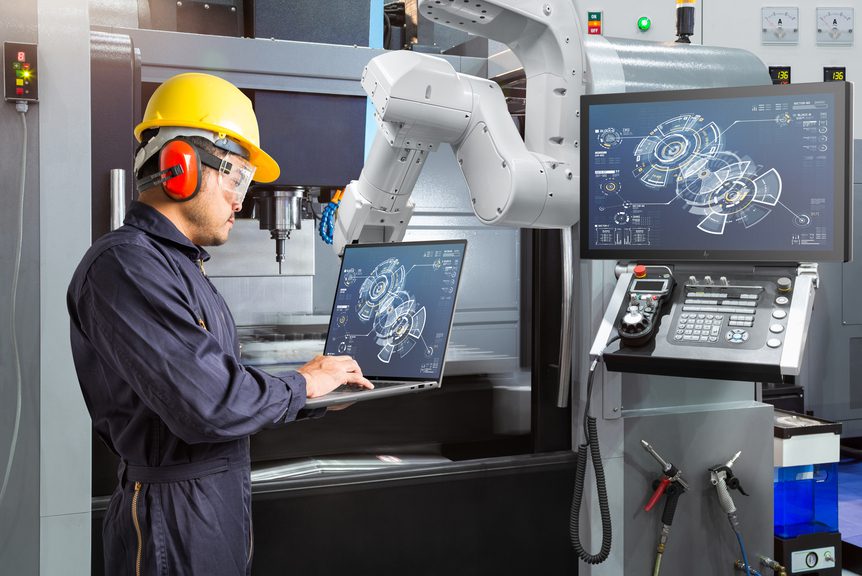
Man and woman in reflective jackets and hard hats look at an HP Zbook in an industrial setting

An unpredicted side effect of COVID-19 was the rise in cyberattacks. As businesses shut down and employees moved to remote work, IT teams scrambled to ensure employees had access to needed data on the company network. This led to gaps in security and increased network vulnerabilities that hackers used to gain access to company systems. In 2020, ransomware attacks rose by 62% worldwide and a staggering 158% in North America.

For the automotive industry, an attack can have devastating effects on consumers, automakers, and automotive fleets. To protect everyone involved, improved security and the addition of endpoint security protections will reduce the risk of a cyberattack.

Increasing Concerns with Security

As technology grows, the need for advanced security solutions grows with it. A need for advanced security became especially evident when 1.4 million vehicles were recalled due to a vulnerability that would have allowed hackers to control a connected car remotely. Manufacturing plants have also become a popular target for bad actors due to the number of connected devices used in the manufacturing process.

Cyber threats can come from virtually anywhere—an email, a weak WIFI signal, or a third-party app–and the list is growing. In the automotive industry, cyberattacks increased 125% between 2018 and 2021. The increased number of connected cars and remote workers make automakers especially vulnerable.

The Importance of Endpoint Security in the Automotive Industry

The most effective way to protect a company network is to secure each entry point into that network. This is why having proper endpoint security is necessary.

Traditionally, endpoint security involved rudimentary anti-virus software, which wasn’t sufficient for long. Modern hackers have more sophisticated approaches that can easily subvert outdated security software, forcing businesses to respond in kind with more comprehensive solutions to protect against malware, ransomware, and zero-day threats. 

A study from IBM showed that automotive companies were the highest targeted manufacturing sub-sector in 2021, encompassing nearly a third of all attacks against the manufacturing industry. This worrying trend makes endpoint management a vital part of any automotive company’s security.

Endpoint Security

Endpoint security ensures that each entry point into your network is entirely secure.This includes desktops, laptops, and mobile devices.

Nowadays, hardware and software solutions are designed to work in tandem to detect, analyze, and block potential attacks before they can wreak havoc on your infrastructure.

HP Wolf Security is the Best Strategy to Protect Your Infrastructure

HP Wolf Security offers robust security measures to combat the rising threat to the automotive industry.

Instead of relying on only software, HP created an innovative solution to cyberattacks at the hardware level. With HP Wolf Security, both hardware and software are built into every PC and printer, and this adds additional security beyond the OS.

Hardware-Enforced Security

Automotive companies should prioritize protection software built around the core security values of zero-trust, segmentation, and user access control.

Zero-trust is a security policy with permissions assigned based on context of the situation rather than an assumed level of trust. Systems will assess user identity, location, security posture, and other features to determine what level of access to provide to a user.

This approach produces simpler network infrastructure, better security, and an improved user experience for operators, including complete coverage for remote workforces, hybrid cloud environment, and malware protection.

Zero-trust architecture is inherently secure, powered by strict segmentation and user access controls that provide rigid restrictions on who can access a system. In particular, segmentation drives security value by dividing a system or network into zones, each with limitations for user access privileges.

Aside from creating a stronger and more controllable ecosystem, segmentation protects the system from widespread cyberattacks and can even improve performance by limiting how many users access each zone at once.

These are fundamental aspects of endpoint security that no company can go without. Especially in our era of hybrid workforces and internet-of-things (IoT) connectivity, the average company has more endpoints to protect than ever before.

To minimize risk, companies must adopt a zero-trust strategy and continuous, hardware-powered protection that provides security, resiliency, and transparency into all operations. Tools like the HP Security Controller or HP Sure Click Enterprise offer this type of endpoint protection and are a great place to start improving your security envelope.

Increase Security with HP Sure Click Enterprise

To add further protections for end users, HP offers Sure Click Enterprise, which separates a user’s tasks from the network.

An employee could potentially introduce malware or ransomware into your infrastructure with a single click. Sure Click creates a micro virtual machine during a user’s tasks to isolate an application or web browser from the network.

If a virus, malware, or ransomware is detected, HP Wolf Security will isolate and trap the offending code. The code is destroyed once the application or web browser is closed.

Complete Protection with Novastar Solutions

Advanced security methods from companies like Novastar Solutions involve zero-trust, next-gen hardware and software solutions that constantly scan, detect, and block incoming threats.

To provide complete protection for your infrastructure, contact Novastar Solutions for more information on how HP Wolf Security can help your business succeed. Contact us to get started.
Previous

High-Powered Processing: Choosing the Right Workstations for Manufacturing

Next

Lifecycle Management Considerations for Higher Education

Filed Under: Novastar Blog

High-Powered Processing: Choosing the Right Workstations for Manufacturing

October 19, 2022 By Novastar

woman pointing at computer display of automotive part

The automotive manufacturing industry has seen some incredible advances over the past few decades, driven in part by the advent of computer-aided design (CAD) software. While CAD was originally limited to basic geometric structures and model configuration, modern CAD software facilitates every aspect of automotive product design, from drafting to engineering to delivery.

CAD software, like SolidWorks and AutoCAD, and 3D modeling have revolutionized automotive. However, powerful computing solutions for design and manufacturing require high-powered workstations that can handle resource-intensive displays.

Computing power may not seem like a big concern in a technological era, but the COVID-19 pandemic permanently shifted global workforces into new paradigms. Today, businesses of all types are learning to function in a digital-first landscape.

Hybrid Work is the New Norm

With the shift to remote and hybrid work environments, companies must provide employees with the tools and technology needed to maintain productivity while working from any location. For businesses in the automotive sector, this means equipping engineers and designers with workstations that can handle intense workloads.

The types of workflows required in automotive manufacturing can be demanding. Laptops and mobile devices used for CAD and product design must have the CPU and GPU processing power to accelerate complex graphical displays, manage big datasets, and achieve stable, reliable performance across tasks.

A typical consumer-grade laptop can’t handle engineering and design tasks. That’s , HP created dedicated product lines of workstations that provide professionals with the computing power they need to stay productive—even when they’re out of the office, traveling to a work site, or working remotely. These tools enable seamless connections to a primary computing hub for any number of remote workstations and provide the perfect solution to remote automotive design work.

The Benefits of HP’s Z Workstations for Manufacturing

Any automotive manufacturer trying to manage a remote workforce must have the right tools to make effortless mobile work possible.

Essential features in CAD software, like simulation integration, strain the capabilities of the average workstation. As designs grow and become more complex, CAD programs can crash CPUs and corrupt valuable data. This is why OEMs must find high-performance workstations and tools that provide reliable, secure processes.

At Novastar, we’re proud to offer HP’s premier line of workstations, optimized for the agility and creativity that manufacturing requires. In fact, many Zbooks outperform typical desktops due to their advanced performance, software interoperability, and built-in security.

Z Series Workstation Family: ZBook 17 G3, ZBook 15 G3, Z240 SFF, Z240 Tower, Z440 Z23n Display, Z1 G2 Touch AiO, Z32x DreamColor Display, Z640, Z840, ZBook Studio 15, ZBook 15u G3 Touch.

The line includes workstations suited to any professional’s needs:

  • ZBook Firefly G8: Quality performance meets maximum mobility
  • ZBook Power G8: Upgraded performance for light rendering & simulation
  • ZBook Studio G8: Powerful performance for heavy 3D workflows
  • ZBook Fury G8: Top-of-the-line performance suited to intensive 3D workflows and rendering

From data analysis to real-time rendering to 3D visualization, Z Workstations are ideal for rugged manufacturing design and production workflows. They’re built on decades of innovation from HP and hundreds of thousands of hours of testing to ensure that each workstation offers powerful performance across visualizations, ray tracing, and real-time data analysis.

Graphic Representation

Z by HP features high-end graphics that allow users to render and animate in real-time with NVIDIA RTX™ professional, NVIDIA GeForce RTC™ or AMD Radeon™ Pro graphics. The processors provide detail, speed, and application-specific features to enable complex design modeling, dataset management, and visual effects.

Processing Power

Each workstation boasts high-frequency performance with the latest generation Intel® Zeon® and Intel® Core™, including K-Series and vPro® processors that effortlessly run demanding applications like Adobe Premier Pro, SOLIDWORKS, and Autodesk. No matter the application, Z by HP offers an easy way for operators to run continuous manufacturing and design processes.

Internal Memory

These tools allow users to run their largest applications simultaneously and save time with up to 128GB RAM on Z laptops and up to 1.5TB of RAM on Z desktops.

Additionally, Z Workstations can coordinate and connect with HP ZCentral Remote Boost collaboration software. These allow users to access Z Workstation power through any remote endpoint or workstation in the field.

Novastar’s Solutions for Automotive Design Efficiency

HP solutions provide manufacturing teams with the tools they need to deliver building information modeling, 3D modeling, and CAD projects quickly and reliably. Of course, hardware and software selection are only the first step in a strong asset management program. Manufacturers may need additional support to deploy and maintain new hardware over each device’s lifecycle, a time-intensive process that nevertheless plays a significant role in hardware ROI over time.

Novastar provides comprehensive support across HP hardware selection, acquisition, IT asset management, and asset tracking. Our team will help you select the perfect HP Workstation for your business needs, and also help uninstall old equipment, refurbish old parts, redeploy new solutions, and ensure every workstation is configured correctly. All of this creates an efficient, reliable system where disparate teams of employees can maximize their productivity. 

While it’s essential to select the right hardware, our partnership-based approach to IT is what drives long-term success. Automotive manufacturers will get the maximum ROI by working with a partner who understands the need for expertise in product design, software management, and engineering at every level of automotive development.

Contact us for expert guidance on HP Workstations.

Previous

Join us at the Automotive Testing Expo 2022 October 25 – 27

Next

Endpoint Security Considerations for Manufacturing

Filed Under: Novastar Blog Tagged With: CAD, HP, IT, ITAM, novastar

Join us at the Automotive Testing Expo 2022 October 25 – 27

October 3, 2022 By Novastar

Novastar solutions will be at the annual Automotive Testing Expo in Novi, Michigan, October 25 – 27. We invite you to visit us at Booth 7048!

With over 280 exhibitors, Automotive Testing Expo is the leading international show for every aspect of automotive testing, development, and validation technologies.

Visitors will see the most up-to-date technologies in ADAS and autonomous vehicle testing, NVH measurement tools, test rigs, simulation packages, durability testing technologies, crash testing, dynamometers, emission measurement systems and dynamic assessment tools, as well as countless service providers such as proving grounds and test facilities.

Save the date & visit our booth!

Register

Event: Automotive Testing Expo 2022
When: October 25-27, 2022
Where: Suburban Collection Showplace, 46100 Grand River Ave., Novi, MI


See How Novastar and HP Transform the Way Automotive Testing Suppliers Work

From calibration services to design and engineering software, engineering workstations, and 3D printers, Novastar delivers emerging technologies and services that are transforming the world of automotive vehicle testing and validation. We understand that today’s self-driving, electric/hybrid, and vehicle-to-everything (V2X) revolution can’t be accomplished without reliably researching, designing, testing, and manufacturing the best products possible.

That’s why we’re an HP Amplify Power Partner and one of the largest volume resellers of HP workstations, with a long-term, close relationship with HP. As a service provider and system integrator with HP’s Enterprise Group offerings, we supply best-in-class tools for our customers’ success in the product development lifecycle. Ask us about our line of HP high-performance Z workstations and business PCs specifically designed for autonomous and electric/hybrid vehicle testing and validation.

Register
Previous

3D PRINT WORKFLOW DEMO DAY TUE SEPT 27

Next

High-Powered Processing: Choosing the Right Workstations for Manufacturing

Filed Under: Novastar Blog, Novastar News

3D PRINT WORKFLOW DEMO DAY TUE SEPT 27

September 20, 2022 By Novastar

Register for Demonstrations and Consultations for every step of the HP 3D Printing Process–from concept to ready-to-use parts and assemblies.

Tuesday, September 27, 2022 | 10:00am – 2:00pm
12901 Newburgh Rd. Livonia, MI 48150

Lunch will be provided.

Register Now

Event Highlights

Multiple vendors will be on site displaying technologies that support and enhance HP MJF 3D Printing and parts finishing for manufacturing.

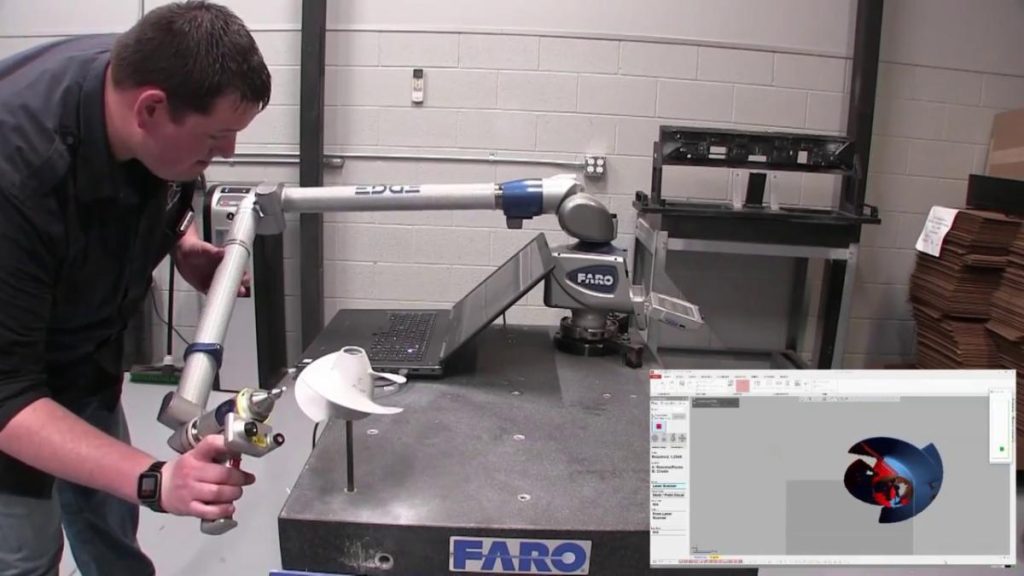
Scan to CAD to Print by Forerunner 3D

The FARO laser ScanArm captures extreme measurement detail on complicated parts, providing the most precise 3D imaging and realization technologies for manufacturing.

Plastic Welding by Extol

Plastic staking is quick and inexpensive, eliminates fasteners, and can join dissimilar materials. This welding method uses a molded stud to mechanically retain a mating component.

Forerunner 3D

Cerakote is a polymer-ceramic composite coating that can be applied to 3D printed parts in a huge variety of colors and gloss levels. Cerakote boasts impressive chemical, thermal, and scratch resistance properties.

Materialise HP Bundle

The HP Materialise alliance optimizes the 3D printing workflow for HP Multi Jet Fusion Technology. Fix errors, hollow parts, perform advanced cuts and automatically add connector pins, check part dimensions and much more.

NovaTumble & NovaBlast by Novastar

NovaTumble and NovaBlast is an automated post-processing depowdering solution. Works on difficult geometries, thru-holes, and blind holes. Reduces labor 60 – 90%.


Join us and see for yourself how HP Jet Fusion 3D Print is transforming manufacturing.

Register Now
Previous

MEDC $25K Grants Available for Adoption of Additive Manufacturing

Next

Join us at the Automotive Testing Expo 2022 October 25 – 27

Filed Under: Novastar News Tagged With: 3D Printing, CAD, Dassault, Demo center, HP, Industrial 3D printing, Materialise, multi jet fusion, novastar

MEDC $25K Grants Available for Adoption of Additive Manufacturing

August 8, 2022 By Novastar

The Michigan Economic Development Corporation (MEDC) Industry 4.0 grant program provides 50% reimbursement for qualifying Industry 4.0 technology costs up to $25,000.

Adopting Industry 4.0 technologies is critical to the success and growth of Michigan’s Small and Midsized Businesses. For example, many Michigan manufacturers are eager to integrate 3D printing into their manufacturing processes. For some small manufacturers, however, the cost of industrial 3D printers is an obstacle.

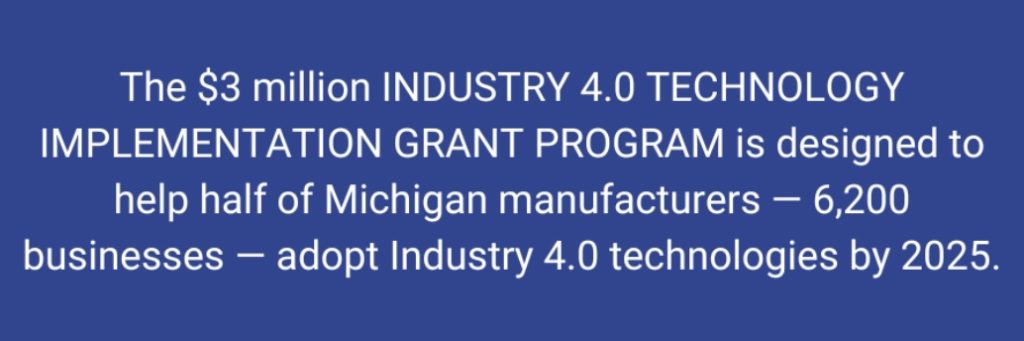
In recognition of the vital role of 3D printing technology in the future of manufacturing, the $3 million MEDC’s Industry 4.0 Technology Implementation Grant Program specifically includes 3D printers. 

Michigan manufacturers as defined by NAICS code and classified as a small business by the Small Business Administration may now apply for co-funding a 3D printer  purchase through the Michigan Economic Development Corporation (MEDC) Industry 4.0 Grant Program up to 50% of the cost with a cap of $25K. (See below for full Eligibility Guidelines.) 

.As of July 29, 2022, twenty-three small manufacturers in Michigan were awarded a total of nearly $500,000 to help them adopt Industry 4.0 technologies. The amount of increased revenue as a result of implementing these technologies will be approximately $29.9 million, with an estimated 93 jobs created and 283 jobs retained.

Apply for MEDC’s Industry 4.0 Grant and Be Part of Manufacturing’s Next Industrial Revolution

MEDC grants will be reimbursement-based and will cover up to 50% of eligible technologies, with an emphasis on additive manufacturing, AI, and robotics/automation.   

By supporting local partners and communities through these regional grants, we are strengthening our state’s leadership in advanced manufacturing and the entrepreneurship and jobs this innovative sector supports for years to come.

– Quentin Messer Jr., CEO of MEDC and President and Chair of the Michigan Strategic Fund (MSF) Board

Grant applications will be accepted on a rolling basis until all funds are allocated.

Eligibility Guidelines

  1. Companies must be a manufacturer, as defined by NAICS code
  2. Proposed project must take place at a Michigan manufacturing facility. Awarded companies will be required to provide a current certificate of good standing from the Michigan Department of Licensing and Regulatory Affairs. 
  3. Companies must be classified as a small business by the Small Business Administration: https://www.sba.gov/federal-contracting/contracting-guide/size-standards
  4. Companies must complete an I4.0 Technology Assessment by the MMTC prior to award OR provide documentation of an executed strategy for determining which technology to implement
  5. Companies must be an Essential Member with Automation Alley (free) or be an existing Automation Alley member. For more information visit: https://www.essentialmembership.automationalley.com

Program Elements

Visit https://www.michiganbusiness.org/industry4-0/grant/

Application

The grant application is now open and can be accessed by clicking on the button below. For questions regarding the grant program, please contact your regional I4.0 grant administrator. 

Apply Now

NOVASTAR SOLUTIONS – YOUR PARTNER IN ADOPTING HP 3D PRINT TECHNOLOGY

Novastar Solutions sells and services HP 3D Printing technology in Livonia MI.  We are making our Michigan prospects and customers aware of the MEDCIndustry 4.0 technology grant program to assist them in their journey towards adopting additive manufacturing.

Previous

HP 3D Print Open House: Manufacturing Possibilities

Next

3D PRINT WORKFLOW DEMO DAY TUE SEPT 27

Filed Under: Novastar Blog

HP 3D Print Open House: Manufacturing Possibilities

July 25, 2022 By Novastar

Tuesday, August 23, 2022 from 10:00 AM to 2:00 PM EDT

Novastar HP 3D Demo Center | 12901 Newburgh Rd. | Livonia, MI 48150

Join Novastar for lunch and a technical presentation on Manufacturing Possibilities with 3D Print. We’ll discuss materials available for industrial Jet Fusion Printing, showcase design optimizations, provide information on cost benefits, and much more.

Register Today
Previous

Enhancing Automation with 3D Print Technology – HP3D Open House

Next

MEDC $25K Grants Available for Adoption of Additive Manufacturing

Filed Under: Novastar News

  • « Go to Previous Page
  • Page 1
  • Page 2
  • Page 3
  • Page 4
  • Interim pages omitted …
  • Page 8
  • Go to Next Page »
Novastar Logo

About Novastar

Novastar, headquartered in Livonia, MI works with companies to support their R&D, engineering, design, prototype, test, and manufacturing with best-in-class IT Products & Services, Farsoon 3D Printers, and test instrument Calibration Services.

A2LA Certification
Certification

ISO/IEC 17025:2017

Solutions

  • Calibration Services
  • Industrial Grade 3D Printers
  • IT Products & Services
  • Metal Contract Manufacturing

Connect

Novastar on LinkedIn
Linkedin
Novastar YouTube Channel
Linkedin

© 2026 • Novastar Solutions • All Rights Reserved • Website Design by Pixelvine Creative

  • Home
  • Solutions
    +
    • Calibration
      +
      • Accreditations
      • Customer Portal
      • Services
      • Primary Standards
    • Industrial Grade 3D Printers
      +
      • Metal Contract Manufacturing
      • Farsoon 3D Printing Solutions
      • Farsoon 3D Materials & Applications
      • NovaTumble & NovaBlast
      • Materialise Magics
    • IT Products & Services
      +
      • HP Products
      • IT Services
  • Resources
    +
    • News
  • About
    +
    • Careers
  • Contact